

Olympia:
(360) 489-1804
Sequim:
(360) 477-4507
Olympia:
(360) 489-1804
Sequim:
(360) 477-4507
Gold bricks remain one of the most dependable and straightforward ways to invest in physical gold. Whether you’re building long-term security or diversifying your holdings, these simple rectangular bars offer exceptional stability and global recognition. This guide covers the essentials—what gold bricks are, how they’re made, how to buy them safely, and whether they’re a good fit for your portfolio.
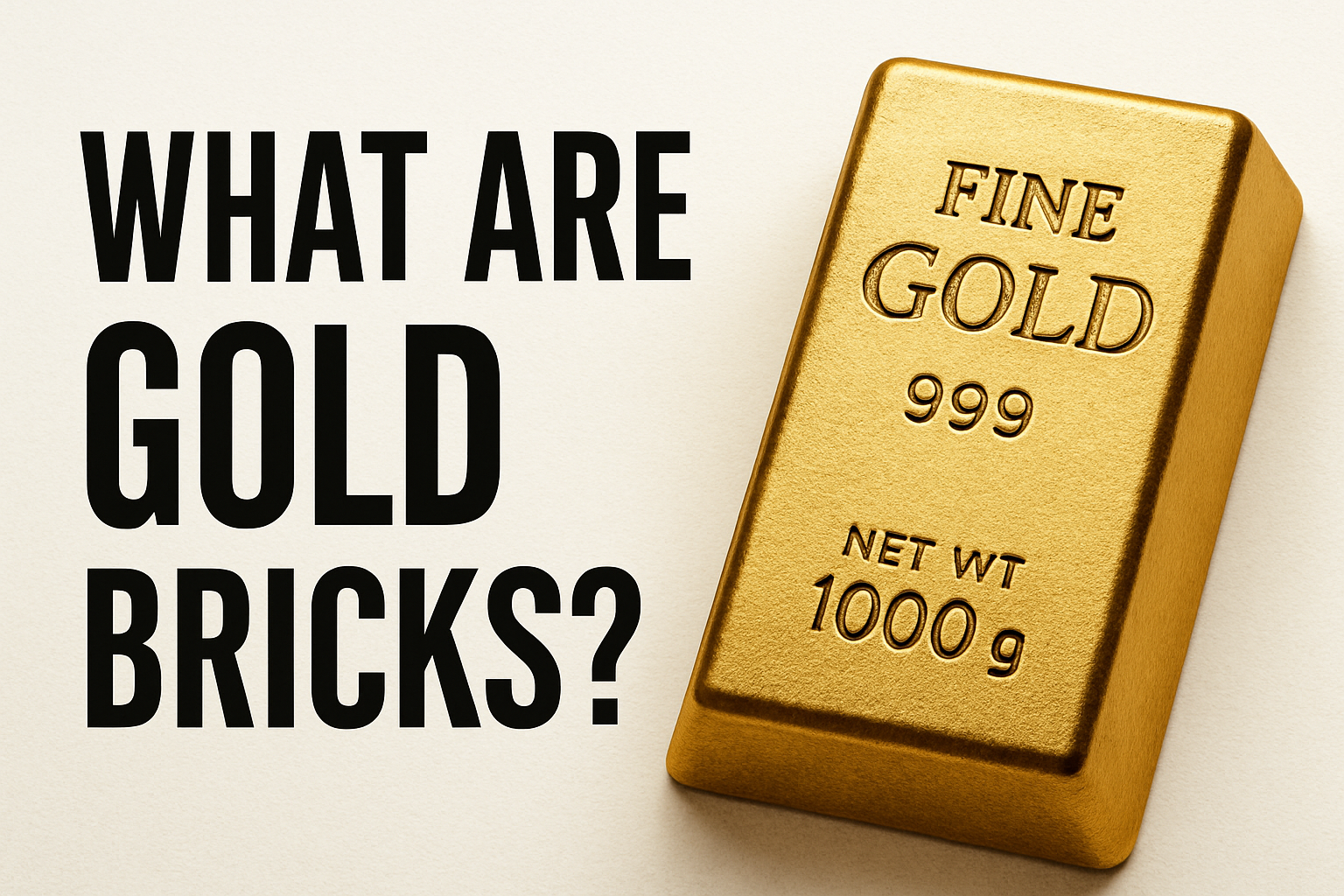
A gold brick—often called a gold bar—is a rectangular block of refined, investment-grade gold produced by a certified refinery. Unlike coins, which carry additional collectible value, bricks are designed solely for bullion investment.
Investors choose gold bricks because they offer the lowest premiums, the highest metal-per-dollar ratio, and easy long-term storage. They’re a simple, clean way to grow physical gold holdings without paying extra for design or historical significance.
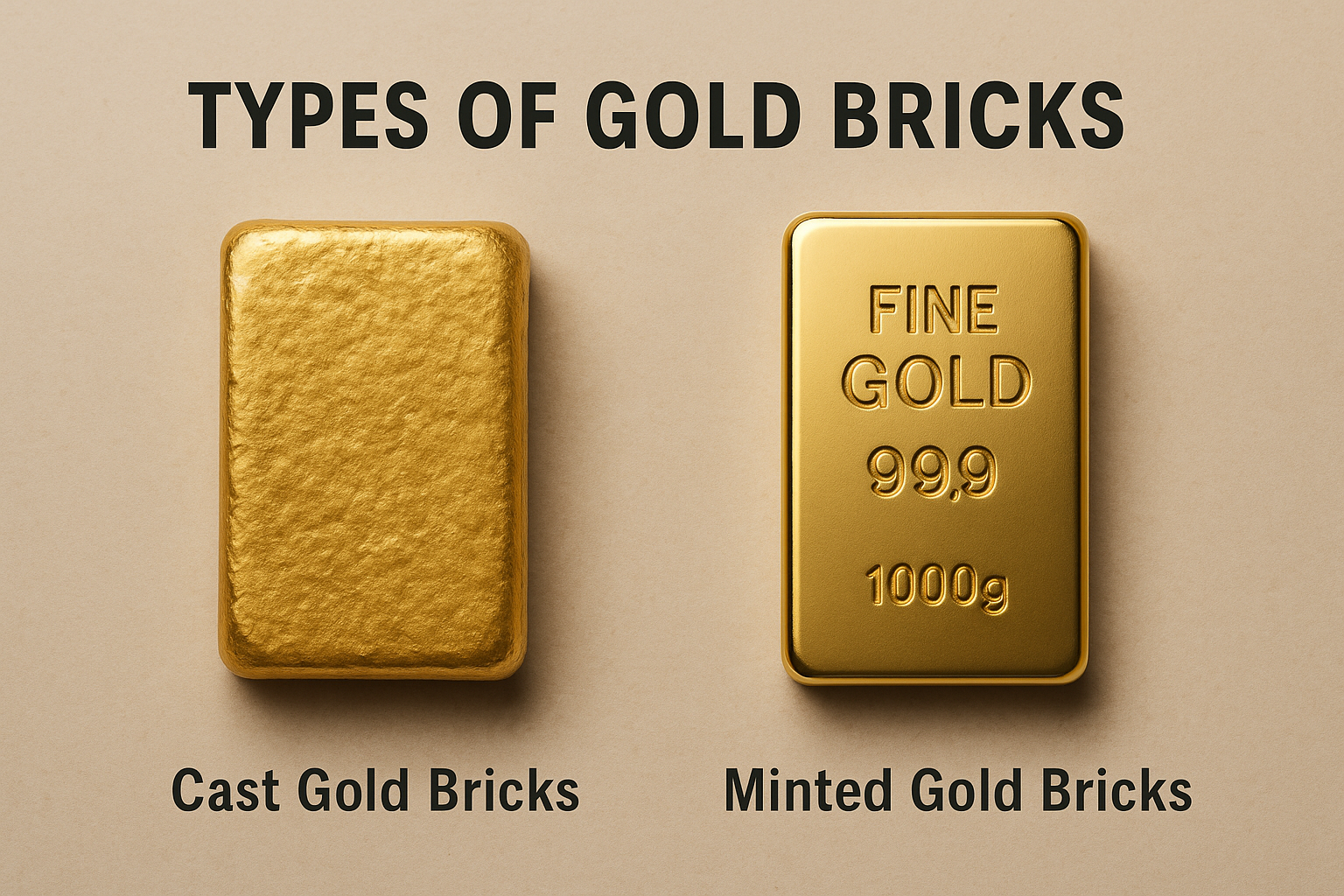
Gold bricks mainly come in two forms, each suited to different preferences:
These are made by pouring molten gold into a mold. They have a natural, rugged texture and typically the lowest premium. They’re ideal for investors who simply want gold at the best price.
These begin as rolled gold sheets cut with extreme precision, producing smooth edges, consistent dimensions, and a polished finish. Minted bricks often include serial numbers and security marks.
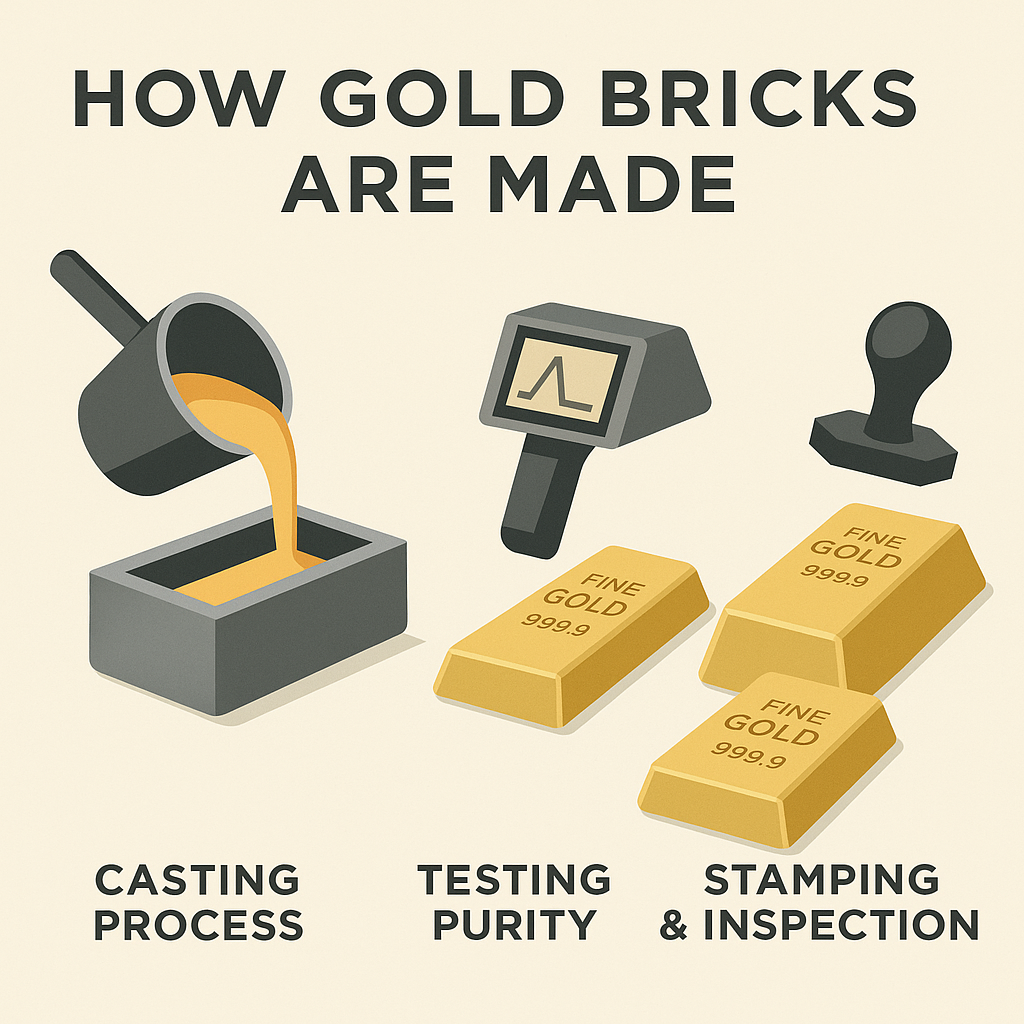
While gold can be shaped in different ways, the most common production method for bricks is casting:
Gold is melted at high temperatures and poured into graphite molds. After cooling, each brick is removed, cleaned, stamped, and weighed.
Refineries test each bar using advanced tools such as X-ray fluorescence scanners (XRF) to confirm purity before assigning a serial number or certification. Reputable producers—like PAMP Suisse, Royal Canadian Mint, and Perth Mint—follow strict global standards.
When purchasing gold bricks, the dealer matters just as much as the product.
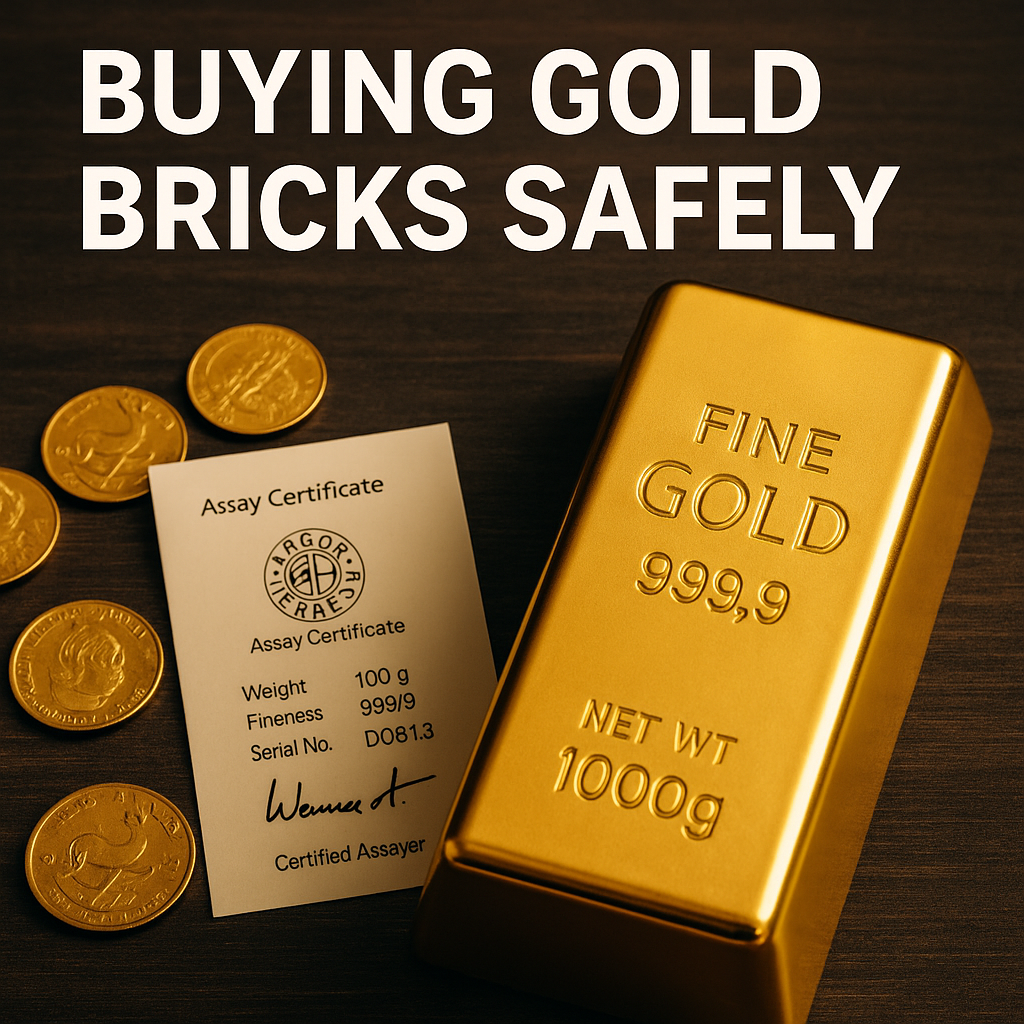
Choose long-standing bullion shops like American Rare Coin or established online precious-metals retailers. These businesses source directly from refineries and guarantee authenticity.
Look for consistent company history, transparent pricing, clear photos, and actual inventory. Many gold bricks include a matching assay card or serial number—verify that these match the bar itself.
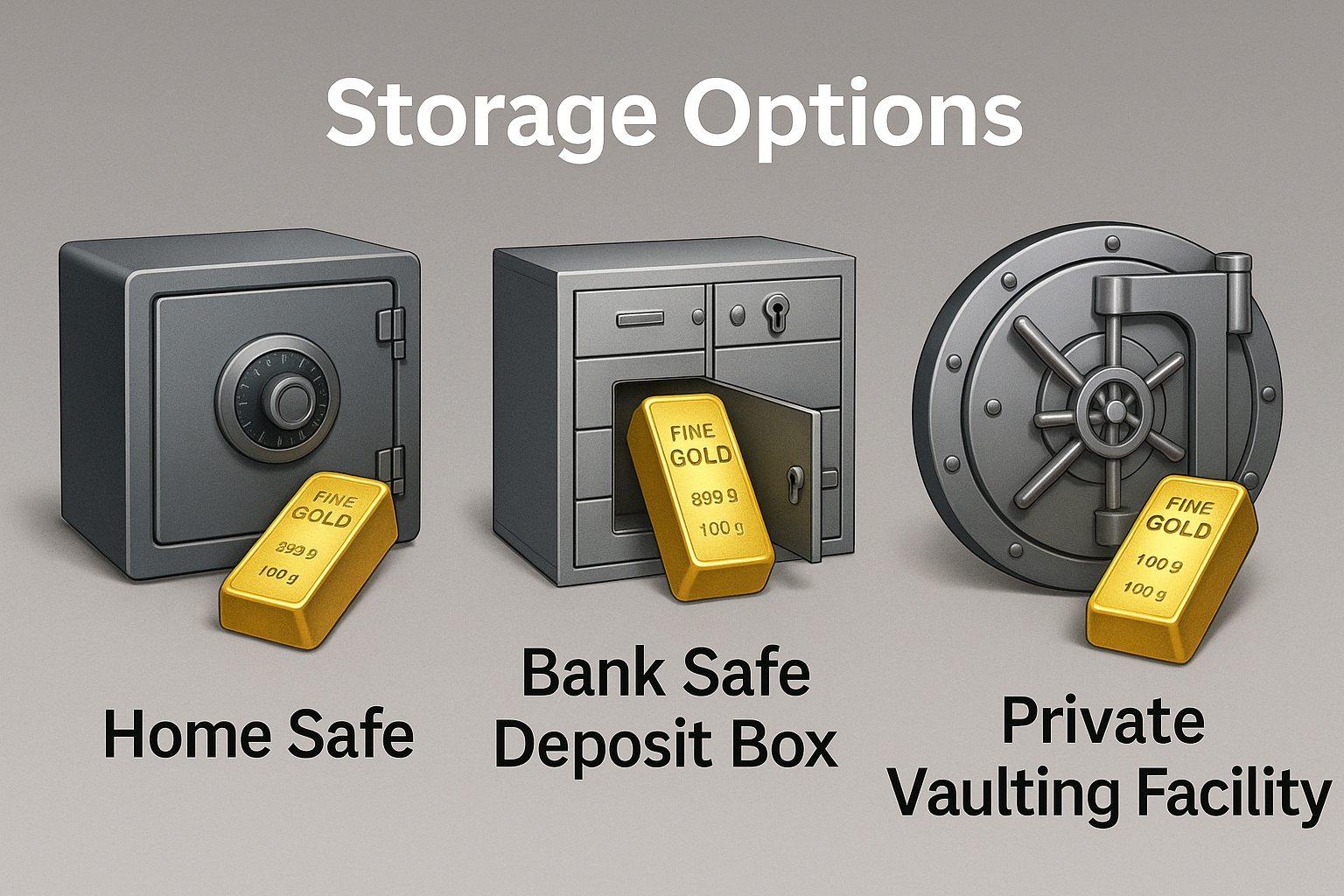
Once you own a gold brick, secure storage is essential.
A fire-rated, bolted-down safe is a popular option for investors who prefer personal control.
Affordable, secure, and ideal for long-term storage—though access is limited to banking hours.
For high-value holdings, professional vaults offer robust security and climate control with easy appointment access.
Stable, long-term value
Highly liquid and globally recognized
Lower premiums than coins or collectibles
Requires secure storage
Does not generate passive income
Premiums vary between sizes and brands
What size gold brick is best for beginners?
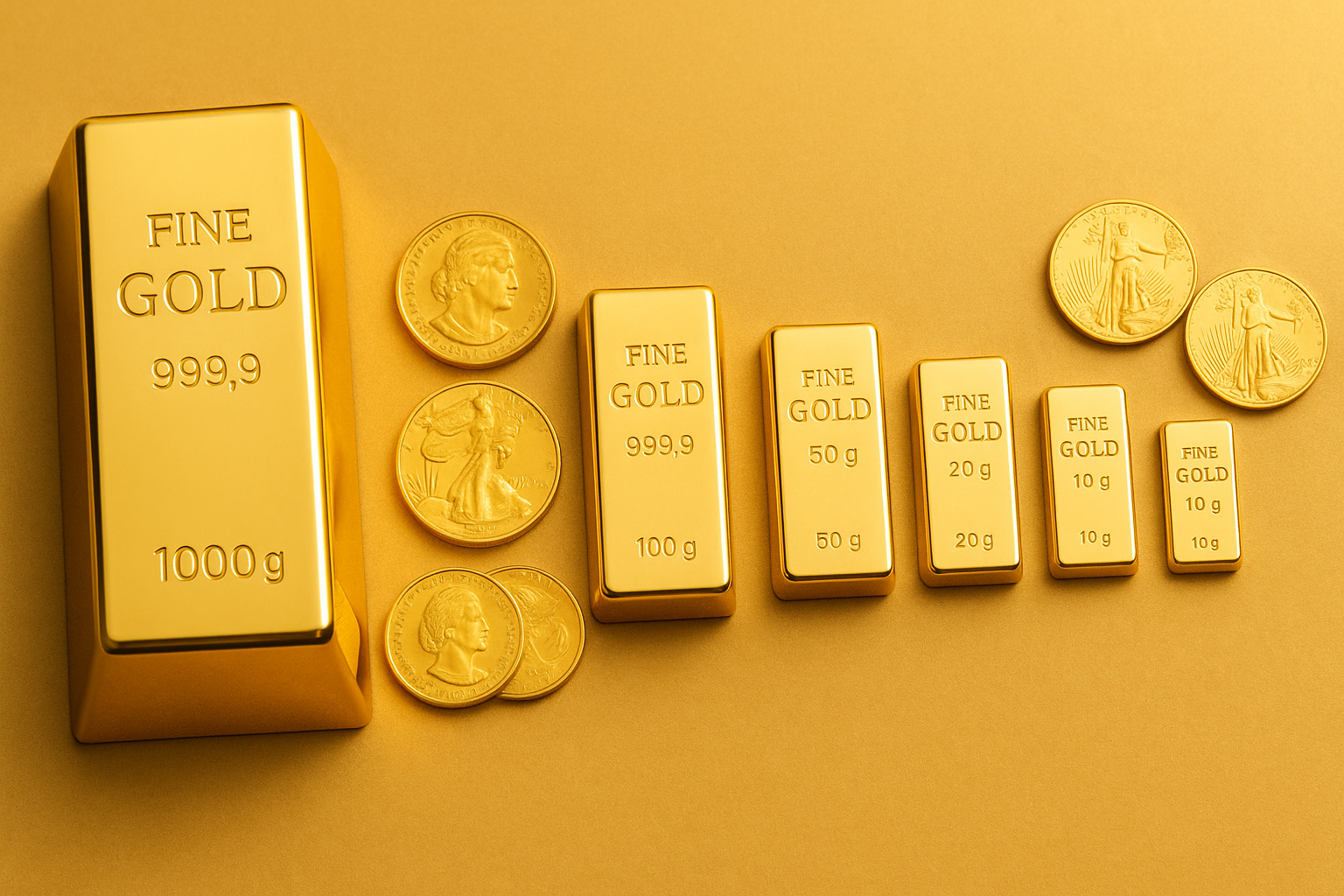
Most new buyers start with 10g, 20g, 1 oz, or 50g bricks—small, affordable, and easy to sell.
Are gold bricks better than gold coins?
They offer more gold for your money. Coins are better if you want government-minted designs or collectability.
How do I know a gold brick is real?
Buy from reputable dealers, verify serial numbers, and ensure assay cards match the brick.
Why do smaller gold bricks cost more per gram?
Production labor is higher on very small bars, so premiums rise accordingly.
Gold bricks are one of the simplest, most cost-effective ways to invest in physical precious metals. Their low premiums, straightforward storage, and universal acceptance make them an excellent choice for both new and experienced investors.