

Olympia:
(360) 489-1804
Sequim:
(360) 477-4507
Olympia:
(360) 489-1804
Sequim:
(360) 477-4507
Counterfeit coins and bullion are more common today than at any point in modern history. Improved manufacturing methods and global marketplaces have made it easier for convincing fakes to circulate widely.
The financial consequences are often immediate:
A buyer pays over $2,000 for what appears to be a gold coin, only to discover it is fake gold with little to no value
Bulk purchases of fake silver dollars or counterfeit silver dollars result in zero melt value
Supposed rare coins turn out to be altered or entirely fake coins, eliminating collector value
Understanding how to identify counterfeit coins before buying or selling is essential.
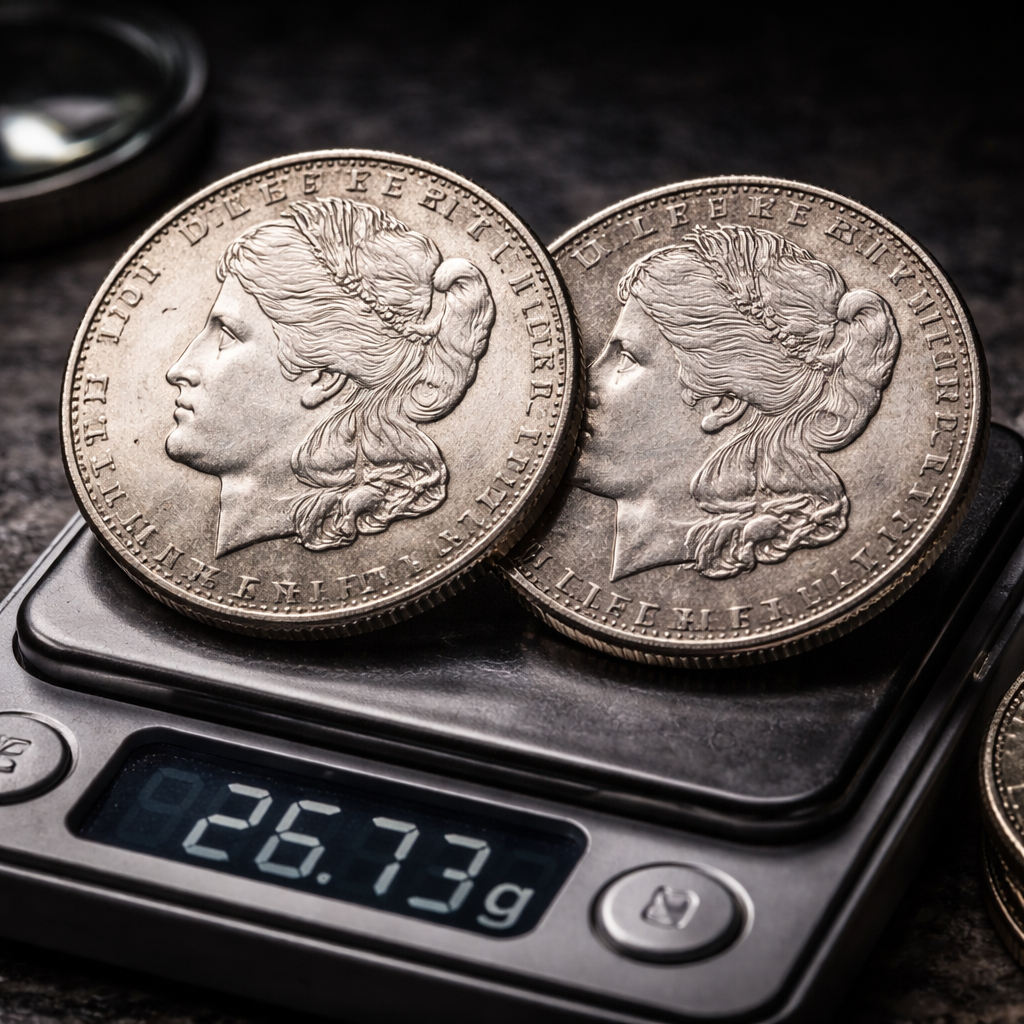
Morgan dollars are heavily counterfeited due to their silver content and collector demand.
Incorrect weight (should be 26.73 grams)
Soft or blurred details
Grainy or cast surfaces
Artificial toning
Weight Check: Deviations indicate a counterfeit morgan silver dollar
Magnet Test: Any magnetic response confirms a fake
Visual Inspection: Look for sharp lettering and clean detail
Sound Test: Genuine silver produces a clear ring
Most fake morgan dollars fail at least one of these tests.
American Silver Eagles are frequently counterfeited because of their consistent demand and recognizable design.
Slightly incorrect dimensions
Poor edge reeding
Dull or short ringing sound
Caliper Measurement: Confirm exact size
Ping Test: Compare against a real coin
Edge Inspection: Reeding should be sharp and consistent
Magnet Test: Any attraction indicates a fake silver eagle
More convincing counterfeit silver eagle examples often fail precise measurement.


Gold coins are targeted because of their high value per piece.
Tungsten cores plated in gold
Slight size inconsistencies
Subtle color differences
Density Testing: Critical for detecting fake gold coins
Measurement: Must match exact specifications
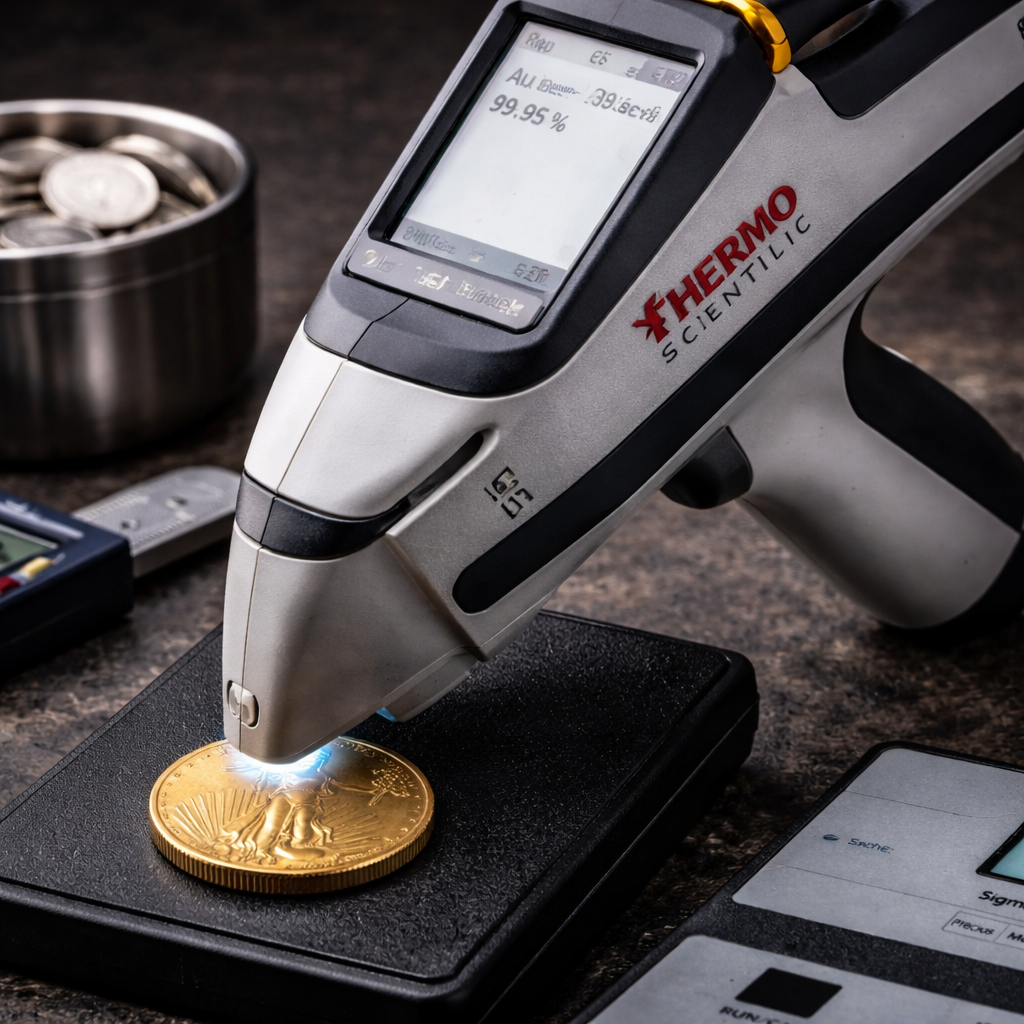
Electronic Testing: Confirms metal composition
A counterfeit gold eagle may appear correct but fail density or conductivity testing.
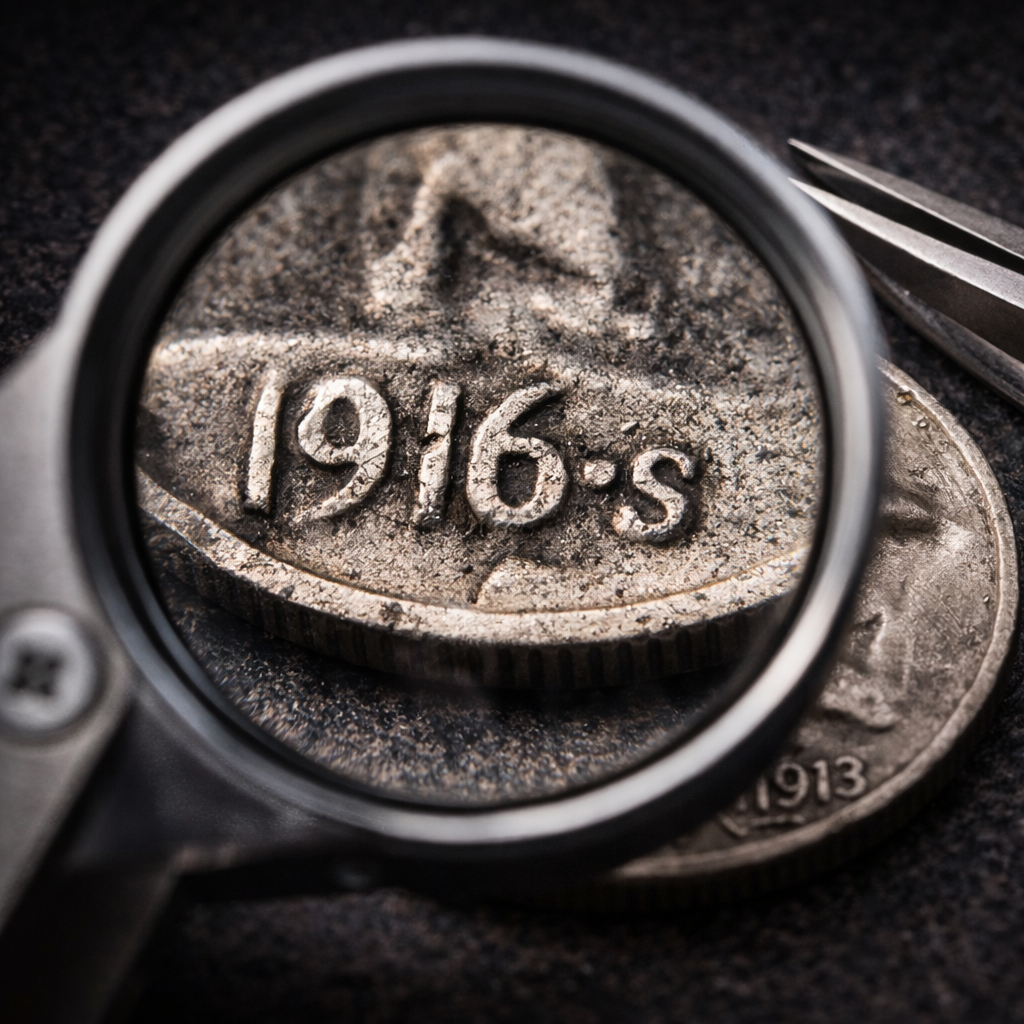
Key-date coins are frequently altered rather than fully manufactured as counterfeits.
Added mint marks
Altered dates
Re-engraved details
Magnification: Check mint mark placement
Design Comparison: Match against verified examples
Surface Inspection: Look for tooling marks
These coins often appear legitimate at a glance but fail under close inspection.

Foreign bullion coins are often counterfeited due to lower familiarity among buyers.
Incorrect metal composition
Dimensional inaccuracies
Misrepresented bullion content
Weight & Dimensions: Verify against official specifications
Density Testing: Especially important for gold
Electronic Testing: Confirms authenticity
Verification is especially important when dealing with unfamiliar coin types.
This method measures how dense a coin is compared to known standards. It is one of the most reliable ways to detect tungsten-filled fake gold coins.
Electronic testers measure how a coin conducts electricity. Different metals conduct differently, allowing counterfeit coins to be identified quickly.
X-ray fluorescence analyzes the exact metal composition of a coin. It provides a precise breakdown without damaging the coin.
A professional evaluation combines visual inspection with advanced tools. This approach allows counterfeit coins to be identified quickly and accurately.

If you suspect you have fake coins or counterfeit coins, handling them incorrectly can create legal exposure.
In the United States:
Selling a fake gold coin, counterfeit silver eagle, or any counterfeit coin without disclosure can be treated as fraud if value is misrepresented
Knowingly distributing counterfeit coins may violate federal laws governing counterfeit obligations
Online platforms may suspend accounts or reverse transactions involving counterfeit coins
Payment processors often issue forced refunds in counterfeit disputes
Do not attempt to resell fake coins
Do not list counterfeit coins online
Have the item evaluated by a reputable dealer
Once confirmed, counterfeit coins should not re-enter the market.
Counterfeit coins are an increasing issue across both bullion and collectible markets.
Most fake coins can be identified using:
Weight and measurement
Magnet and sound testing
Visual inspection
Higher-quality counterfeits—especially fake gold coins—require density or electronic testing.
Applying these methods significantly reduces the risk of financial loss.