

Olympia:
(360) 489-1804
Sequim:
(360) 477-4507
Olympia:
(360) 489-1804
Sequim:
(360) 477-4507
Few things sting like discovering that a prized addition to your collection isn’t what it seems. In today’s market—where online listings and estate sales move thousands of coins every day—counterfeits are more common and more convincing than ever.
Whether you’re a seasoned collector or a new investor, understanding how to recognize fake coins protects your wallet and preserves the integrity of the hobby.
In this guide, the experts at American Rare Coin walk you through what “fake” really means, how to spot the telltale signs, and what to do if you ever come across a suspicious piece.

Not all imitations are created equal.
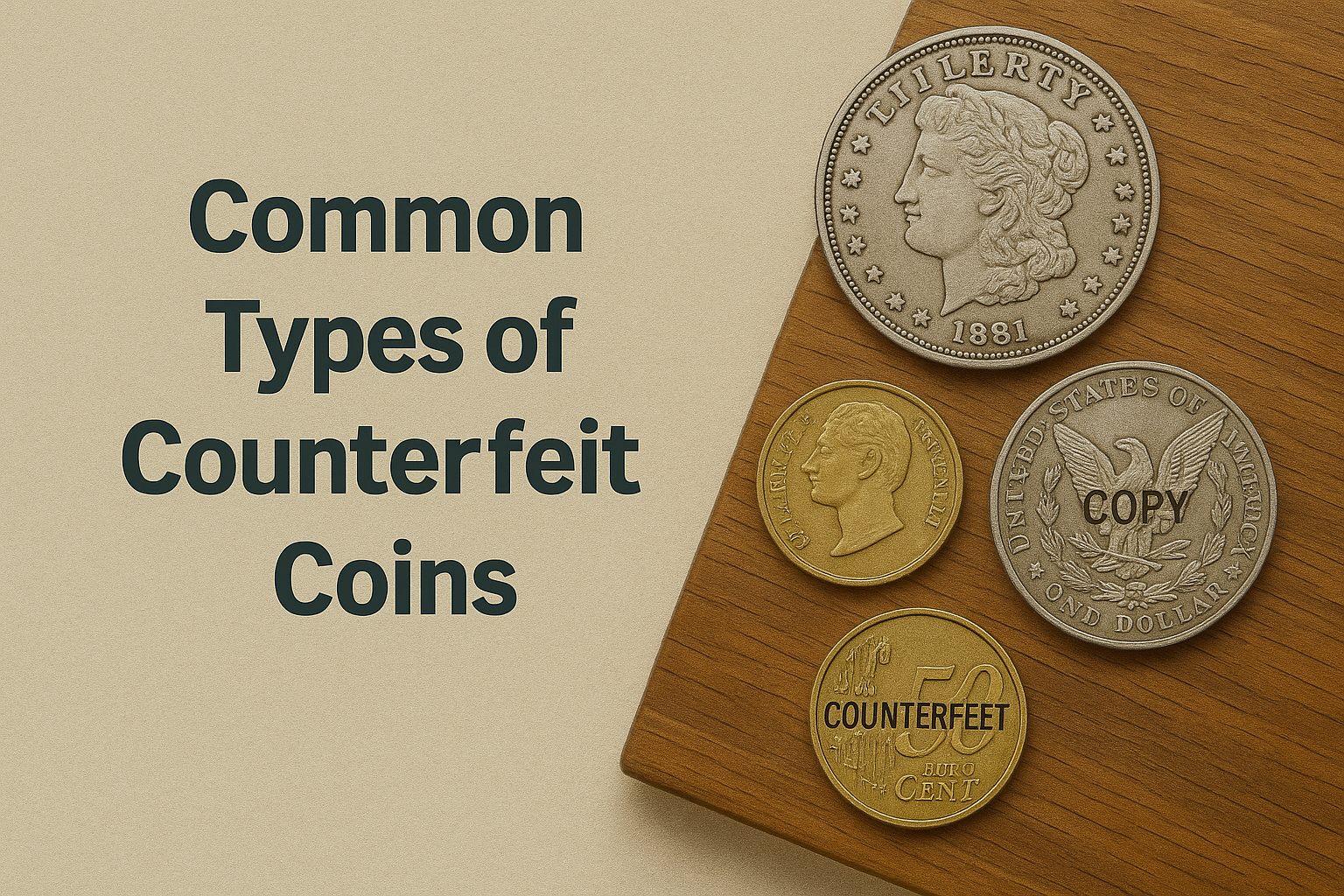
A counterfeit coin is an illegal copy made to deceive buyers, while a replica is a legally produced imitation clearly marked with the word COPY. Then there are altered coins—authentic pieces that have been modified, often by changing dates or mint marks to mimic rarer issues.
It’s important to remember that even experienced collectors have been fooled by high-quality forgeries. Advances in casting and laser engraving have made it easier than ever for dishonest sellers to create coins that appear genuine at first glance.
Counterfeiters use several different techniques, and knowing how each one works helps you recognize them faster.
Cast coins: Created by pouring molten metal into molds. Look for tiny bubbles, seam lines, or grainy surfaces.
Struck counterfeits: Produced using imitation dies, these can look very convincing but often have softer details or incorrect font styles.
Plated coins: A thin layer of silver or gold is added to a base metal core. Over time, plating may wear off around edges or high points.
Altered coins: Real coins that have been re-engraved, tooled, or swapped with different mint marks or dates to mimic a rarer version.
Understanding these categories is the first step toward protecting yourself and your investment.

Before you ever reach for testing tools, a careful visual inspection can reveal a lot.
Look closely at the details: Genuine coins have crisp lettering, consistent reeding on the edge, and clean relief. Blurry or uneven design elements are red flags.
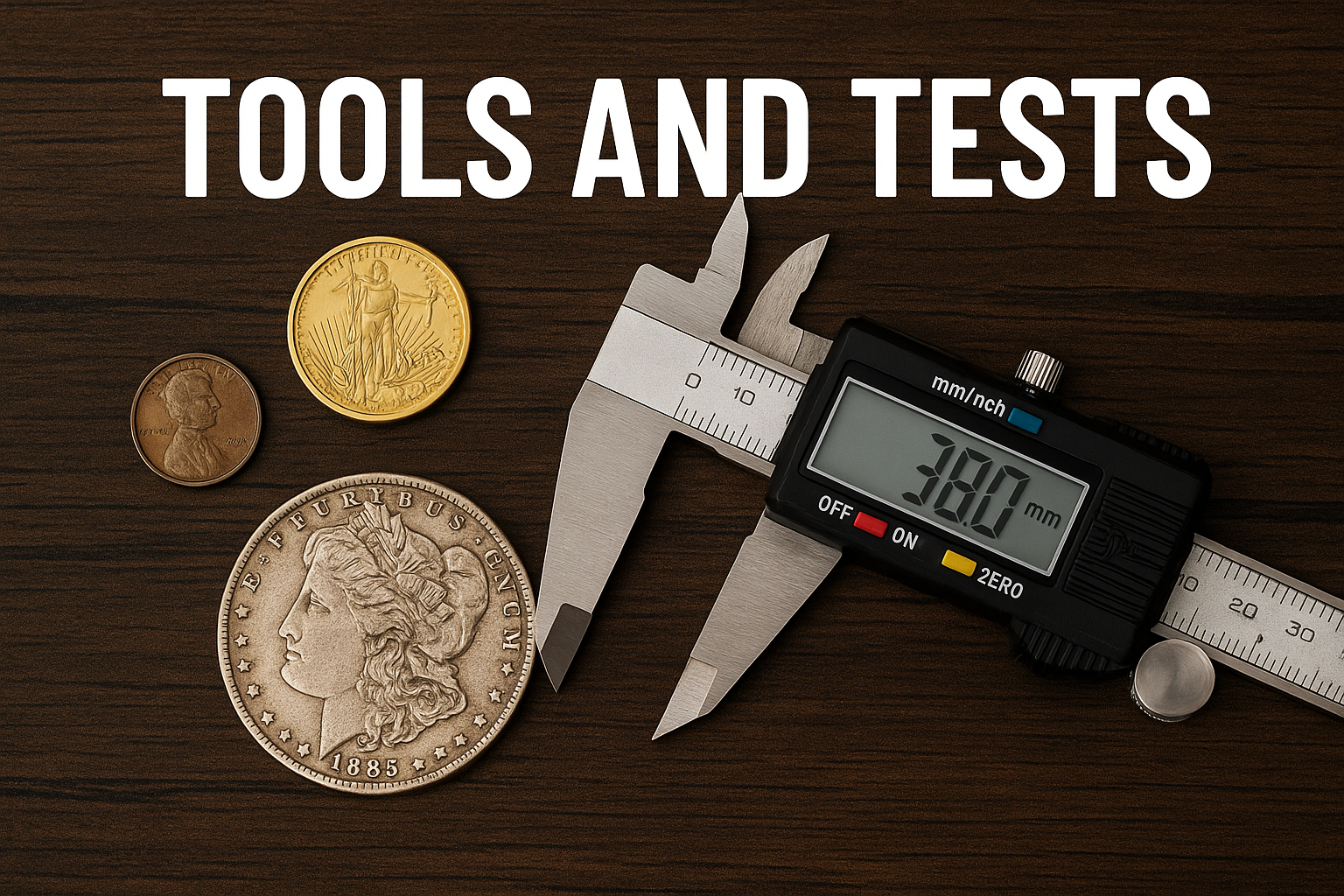
Measure size and weight: Use a small scale and digital calipers. Even slight deviations from official specifications can indicate a counterfeit.
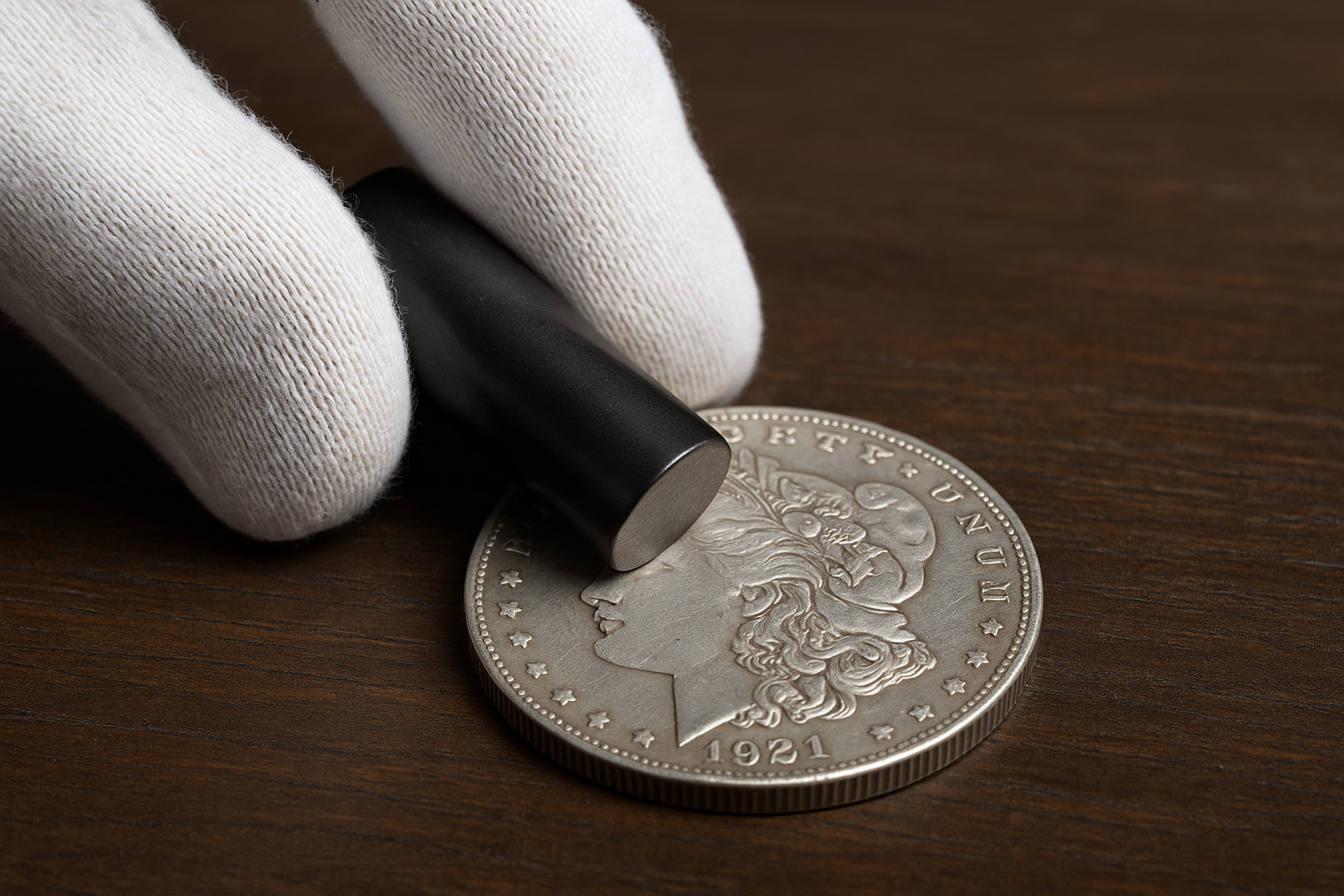
Try a magnet test: Most authentic gold and silver coins are non-magnetic. If it sticks, it’s likely fake or alloyed with a magnetic metal.
Listen to the sound: Tap the coin gently with another coin. Precious-metal coins have a clear, high-pitched “ring,” while base metals sound dull or flat.
Check provenance: Ask where the coin came from. Receipts, grading certificates, or known collection history greatly increase confidence.
These first-look checks catch a surprising number of fakes before more advanced testing is even necessary.
If you still aren’t sure, more precise tools can provide solid confirmation.
Calipers and scales: Compare measurements to official U.S. Mint or catalog data.
Magnification: A 10x jeweler’s loupe reveals tooling marks, casting bubbles, or unusual surface textures.
XRF metal analysis: American Rare Coin offers professional X-ray fluorescence testing (XRF) on-site, allowing instant, non-destructive identification of a coin’s metal composition.
Third-party grading: Submitting suspicious coins to reputable grading services like PCGS, NGC, or ANACS ensures unbiased authentication.
Investing in a few basic tools—or visiting ARC for an expert XRF scan—goes a long way toward keeping counterfeits out of your collection.

If your instincts tell you something isn’t right, trust them.
Stop the transaction immediately. Don’t finalize a purchase until you’re confident in the coin’s authenticity.
Document everything. Take clear photos of both sides, edges, and any paperwork or packaging.
Contact the seller. Honest dealers will cooperate and offer refunds or verification assistance.
Seek expert help. Bring the coin to a certified appraiser or trusted local dealer for an in-person evaluation.
Report blatant fraud. Online platforms, credit card companies, and even local law enforcement may be able to assist if counterfeit intent is clear.
Acting quickly helps recover losses and keeps bad coins out of circulation.
Is a magnet test enough?
No. Many counterfeiters use non-magnetic metals to mimic silver or gold. Always combine multiple checks.
Are cleaned coins considered fake?
Not fake—but cleaning can reduce value significantly. Collectors prefer original patina and surfaces.
Can counterfeits fool professional graders?
It’s rare, but possible with extremely high-quality fakes. That’s why graders use advanced imaging and elemental analysis.
Should I get rare coins authenticated before buying?
Yes. For any coin worth more than a few hundred dollars, professional grading or authentication is a wise investment.
Fake coins can be convincing, but a careful eye, the right tools, and professional guidance make all the difference.
If you ever have doubts about a coin’s authenticity—or simply want peace of mind before buying or selling—our team at American Rare Coin is here to help.
Visit us in person or online for expert appraisals, authenticated coins, and on-site XRF analysis.
Protect your collection, learn the craft of spotting fakes, and collect with confidence—only at American Rare Coin.