


Olympia:
(360) 489-1804
Sequim:
(360) 477-4507
Olympia:
(360) 489-1804
Sequim:
(360) 477-4507
Junk silver—also known as constitutional silver—refers to circulated U.S. coins that contain either 90% silver (pre-1965 dimes, quarters, and half dollars) or 40% silver (1965–1970 Kennedy half dollars). While both categories fall under the umbrella of “junk silver,” only 90% silver coins are typically collected, traded, or sold in junk silver bags.
Forty-percent silver coins have silver content, but they are not sought after, carry lower liquidity, and are generally not included in dealer bags sold by face value.
This guide explains junk silver types, prices, buying, selling, and what makes 90% the preferred standard for investors.

Junk silver refers to circulated U.S. coins that contain significant amounts of silver but no collectible premium. These coins are valued strictly for their silver content.
90% Silver (Highly Sought After)
Included in standard junk silver bags.
Dimes: Mercury (1916–1945), Roosevelt (1946–1964)
Quarters: Washington (1932–1964)
Half Dollars: Walking Liberty (1916–1947), Franklin (1948–1963), Kennedy (1964)
40% Silver (Considered Junk Silver but Not Desired)
Not included in junk bags and not popular with buyers.
Kennedy Half Dollars (1965–1970)
Though 40% silver coins are technically junk silver, most investors prefer the higher silver content and better liquidity of the 90% category.
Junk silver tracks closely with the current silver spot price, which fluctuates throughout the trading day.
Dealers use standard formulas to determine melt value based on the expected silver content after circulation wear.
90% silver coins have well-established melt values and premiums.
40% silver halves have lower silver content and usually sell for significantly smaller premiums—or at times near melt.
Because of this disparity, junk silver bags and most bulk lots consist only of 90% silver coins, not 40%.
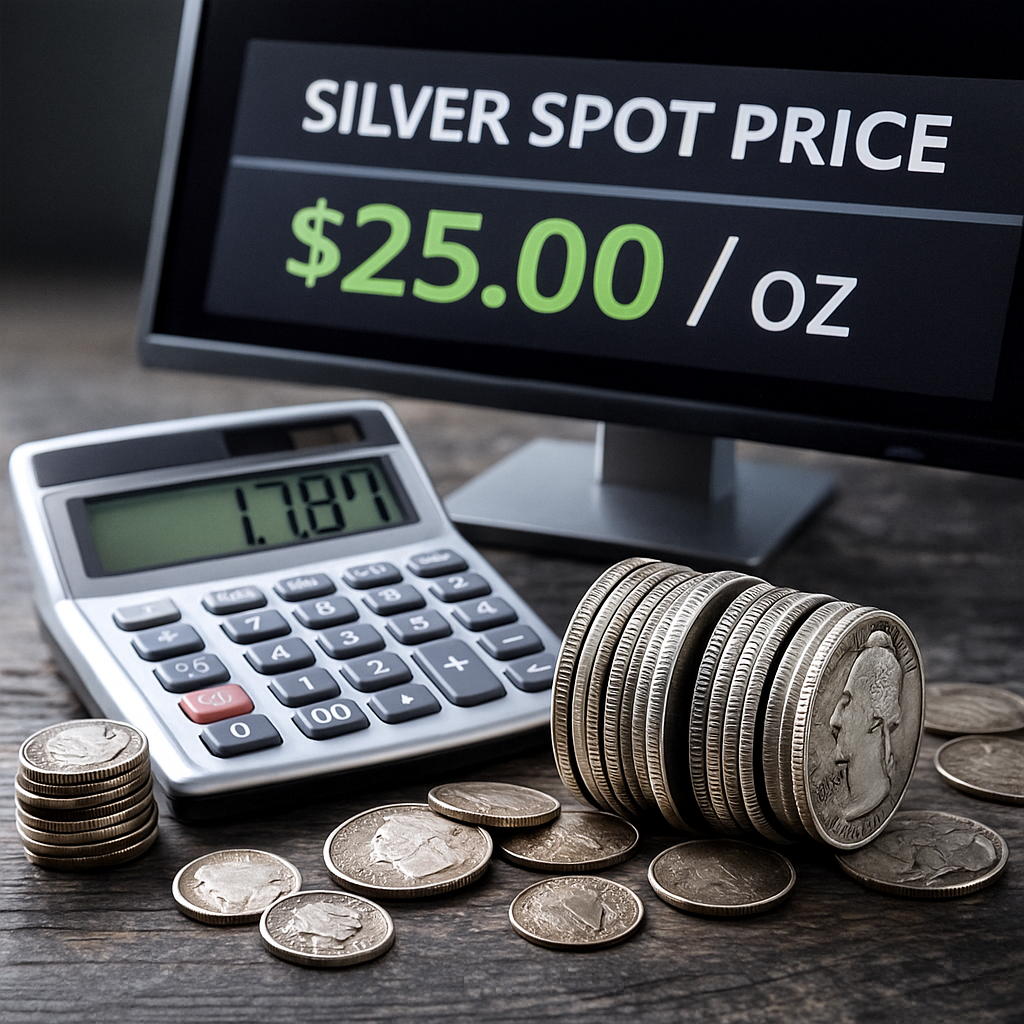

These coins dominate the junk silver market:
Mercury
Roosevelt
Washington
Walking Liberty
Franklin
1964 Kennedy (90%)
These coins contain silver but are not common in bags:
Kennedy Half Dollars, 1965–1970 (40% silver)
Most buyers avoid 40% silver because it is harder to store, value, and sell compared to the simpler 90% category.
You can purchase junk silver from:
Reputable bullion dealers
Online marketplaces
Local coin shops
Estate sales and auctions
For dependable purchases, you can buy junk silver directly through American Rare Coin & Gold on eBay, where listings clearly distinguish between 90% and 40% silver coins.
Common issues include:
40% halves incorrectly mixed into “90% bags”
Underweight lots
Plated coins
Mislabelled listings
Sticking with established sellers eliminates most of this risk.


Local coin shops
Online silver buyers
eBay or auction sites
Direct buyback programs
American Rare Coin & Gold also buys junk silver at fair market rates through eBay and direct arrangements.
Compare two or three offers
Sell during high-demand market cycles
Keep your coins sorted by 90% vs 40%
Know your face value totals before receiving quotes
Because 40% silver is less desirable, it often sells slower and for lower premiums than 90%.
A junk silver “bag” is a bulk purchase of 90% silver coins sold by their face value, typically in standardized amounts.
$100 face value
$250 face value
$500 face value
$1,000 face value
Junk silver bags include only 90% silver (dimes, quarters, halves).
40% silver Kennedy halves are not bought or sold in bags because their melt value and market demand are lower.
Bags offer consistent valuations and typically the lowest premium per ounce, which is why collectors overwhelmingly prefer them over mixed silver types.

Yes. Particularly 90% junk silver due to its liquidity, fractional sizes, and strong resale demand.
Technically yes—but it is not preferred, not included in junk bags, and is less liquid than 90% silver.
90% coins: 90% silver
1965–1970 half dollars: 40% silver
Yes—it is valued for metal content, not rarity.
Yes, but it would be a loss because its silver value greatly exceeds its face value.
Yes. Certain dates in the Mercury dime and Walking Liberty half series carry collector premiums, though they are normally separated before sale.